

Root Canal Therapy
Gentle & Effective
Root canals have an unfair reputation. With modern techniques and anaesthetics, most patients are surprised by how comfortable and straightforward the procedure is.
Gentle & Effective
Root canals have an unfair reputation. With modern techniques and anaesthetics, most patients are surprised by how comfortable and straightforward the procedure is.
Save the Tooth,
End the Pain
Root canal therapy becomes necessary when the soft tissue (pulp) inside your tooth becomes infected or inflamed — typically due to deep decay, a crack, or trauma. The pulp contains nerves and blood vessels; when it becomes infected, the resulting toothache can be severe.
Root canal therapy removes the infected pulp, cleans and shapes the root canals, and seals the tooth — eliminating the infection and saving the tooth from extraction.
Signs You May Need a Root Canal
- Severe, persistent toothache
- Prolonged sensitivity to hot or cold
- Pain when biting or chewing
- Darkening of the tooth
- Swelling or tenderness in nearby gums
- A persistent pimple on the gum (dental abscess)

Dispelling the Myths
Myth: Root Canals Are Painful
The infection CAUSES the pain — not the root canal. We thoroughly numb the area before beginning. Most patients rate the discomfort similar to getting a filling.
Myth: Extraction Is Easier
Removing a tooth creates more problems than it solves — shifting teeth, bone loss, and the cost of replacement. A root canal saves your natural tooth, which is always the best outcome.
Myth: Root Canals Don't Last
A root canal followed by a proper crown can last a lifetime. The success rate is over 95% when completed properly and restored with a crown.
What to Expect
01
Diagnosis
X-rays confirm infection and assess the root canal anatomy. We review the procedure and answer any questions.
02
Anaesthesia
Local anaesthetic is applied thoroughly. We wait until you're completely numb before proceeding.
03
Pulp Removal
A small opening is made in the crown of the tooth; infected pulp is removed from all root canals.
04
Cleaning & Shaping
Root canals are cleaned, shaped, and irrigated to remove all bacteria.
05
Sealing
The cleaned canals are filled with a biocompatible material (gutta-percha) and sealed.
06
Restoration
A crown is typically placed at a follow-up appointment to protect the treated tooth.
Fast Relief,
Familiar Faces
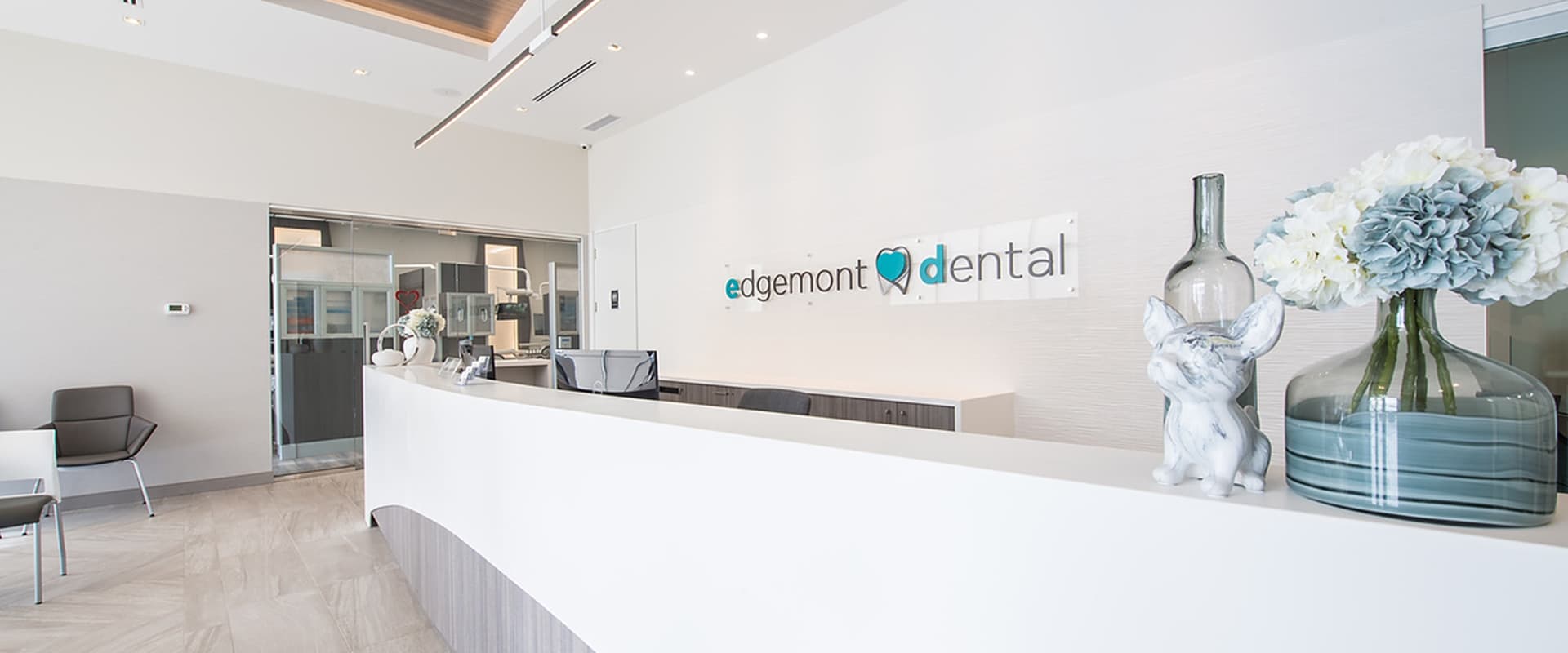
Nobody plans for a root canal, but when tooth pain hits, patients across Edgemont, Callingwood, and Lymburn know they can call us and get seen quickly. We keep same-day slots open specifically for situations like this.
Modern anaesthetics and technique mean most patients describe the procedure as no different from getting a filling. We'd rather you judge us by how calm the appointment actually felt than by whatever you'd heard beforehand.
Common Questions
How long does a root canal take?
A single-rooted tooth typically takes 60–90 minutes. Multi-rooted teeth (molars) may require two appointments of 60–90 minutes each.
Will I need a crown after?
Almost always for back teeth. A crown protects the treated tooth — which becomes more brittle without its pulp — from fracture. Front teeth with minimal damage may only need a filling.
How much does root canal therapy cost?
Cost depends on which tooth is being treated — front teeth have fewer canals than molars and take less time. We provide a full estimate before beginning. Direct insurance billing is available.

Tooth Pain? Don't Wait.
Root canal therapy relieves your pain and saves your tooth — often in a single appointment.